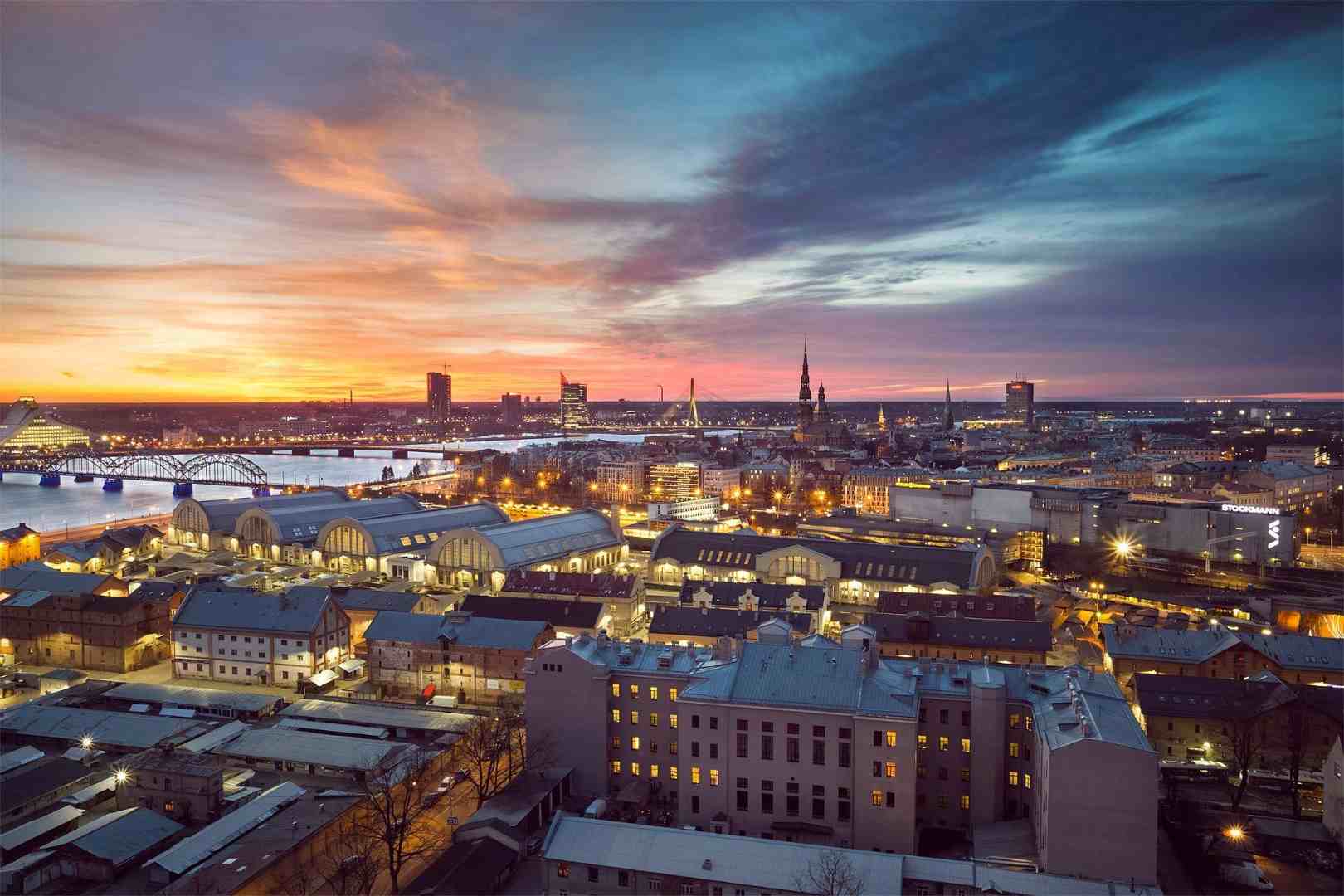
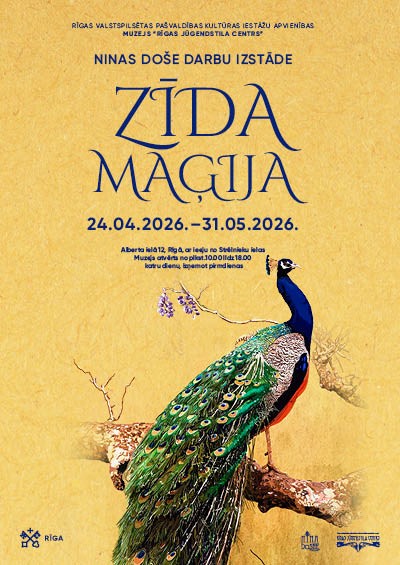
Riga, the undisputed northern capital of Art Nouveau, is set to add a shimmering new chapter to its cultural legacy. Starting April 24, 2026, the Museum Riga Art Nouveau Centre invites visitors to immerse themselves in the ethereal beauty of its latest exhibition, “Silk Magic.” This showcase promises to explore the delicate relationship between the textile arts and the bold architectural lines that define the city’s identity, offering an intimate look at the luxury and craftsmanship of the early 20th century.
The timing of this exhibition coincides with a renewed global interest in the Belle Époque, but in Riga, Art Nouveau is more than a historical period—it is the city’s living soul. The Museum Riga Art Nouveau Centre is itself a masterpiece of the era. Located on the world-famous Alberta iela (Albert Street), it is housed in the former residence of the legendary Latvian architect Konstantīns Pēkšēns, who designed the building in 1903. To enter the museum is to step back in time; the spiral staircase alone, adorned with exquisite ceiling paintings, is considered one of the most magnificent in Europe.
Inside the museum, a meticulously restored apartment recreates the daily life of Riga’s elite. Every detail, from the original hand-painted wall patterns and stained-glass windows to the authentic furniture, tells a story of a time when art was integrated into every facet of the home. The “Silk Magic” exhibition enhances this atmosphere, focusing on the flowing, organic grace of silk—a material that perfectly mirrors the “whiplash” curves and floral motifs found in the surrounding architecture. The display highlights how the iridescent quality of silk was used to bring light and movement into the interior spaces of the 1900s, bridging the gap between high fashion and interior design.
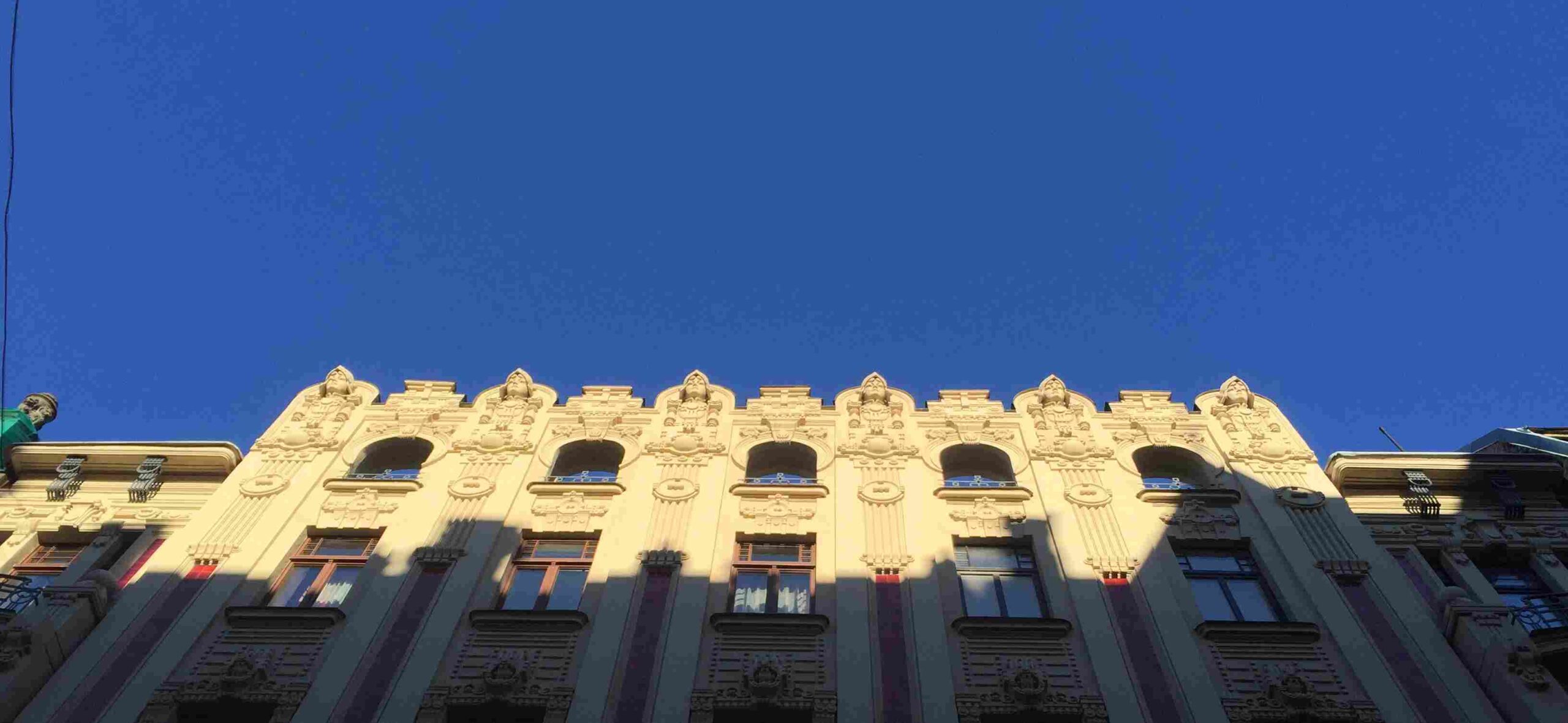
Beyond the museum’s walls, the exhibition serves as a gateway to the broader “Stone Forest” of Riga. The city boasts one of the highest concentrations of Art Nouveau architecture in the world, with over 800 buildings surviving today. While Alberta iela is the crown jewel, featuring the highly decorative and often surreal work of Mikhail Eisenstein, the style permeates the entire city. Visitors can wander from the highly ornate “Eclectic” Art Nouveau to the more restrained and localized “National Romanticism,” which utilized Latvian motifs and natural materials like wood and stone.
To truly understand the impact of this movement on the Baltic soul, one must look at how the architects of the time—such as Pēkšēns, Eižens Laube, and Rudolf Zirkwitz—transformed Riga into a modern metropolis. They replaced the dark, cramped structures of the medieval past with wide windows, airy apartments, and facades teeming with mythological figures, sphinxes, and gargoyles. The “Silk Magic” exhibition provides the soft counterpoint to these stony sentinels, reminding us that the beauty of Art Nouveau was as much about the touch of a fabric as it was about the scale of a skyscraper.
The exhibition at the museum Riga Art Nouveau Centre can be viewed until May 31, 2026, during museum opening hours. The museum is open from 10:00 to 18:00 every day, except Mondays. Find more information about the exhibition and the art nouveau Riga centre HERE.
For those inspired by the “Silk Magic” exhibition to explore further, the city offers a wealth of discovery. You can dive deeper into the history and specific landmarks of this architectural mecca by exploring the Art Nouveau Club’s guide to Riga, which provides a comprehensive overview of the districts where the “Stile Floreale” truly flourished. From the quiet elegance of the Quiet Centre to the bustling commercial streets, the guide is an essential companion for any enthusiast.
If you prefer a more curated experience, you can walk in the footsteps of the masters by booking a specialized tour. Beyond the famous facades of Albert Street, there are hidden gems tucked away in the medieval heart of the city. To uncover these secret symbols and architectural wonders, consider joining the Traces of Art Nouveau in Old Riga private tour, where expert guides reveal how the “New Art” seamlessly integrated into the city’s ancient fabric, creating a timeless dialogue between the old world and the modern age.