Nancy, located in northeast France just 300 kilometers from Paris, is an elegant and sophisticated city that dazzles with its exuberant architectural heritage. For centuries the capital of the Duchy of Lorraine, its historic center is filled with palaces and suntuous squares, yet its most unique allure lies in the École de Nancy (School of Nancy). This movement, born around 1900, grouped together architects, cabinetmakers, and glassmakers who sought to create a “Total Art” inspired by the natural world.
While this beautiful city often remains off the traditional tourist circuit, its relative obscurity is a blessing, allowing visitors to explore its 300 Art Nouveau buildings in peace. The movement was led by the multifaceted Émile Gallé, alongside masters like Louis Majorelle and Jacques Gruber. Together, they turned Nancy into a focal point of European Modernism, rivaling even Paris in its creative output.
The rise of this style was fueled by a dramatic historical shift. Following the Franco-Prussian War in 1871, the annexation of Alsace-Lorraine by Germany led to an exodus of French intellectuals and artisans to Nancy. The population surged from 40,000 to over 100,000, bringing with it the capital and talent necessary to fuel an unprecedented cultural and economic golden age.
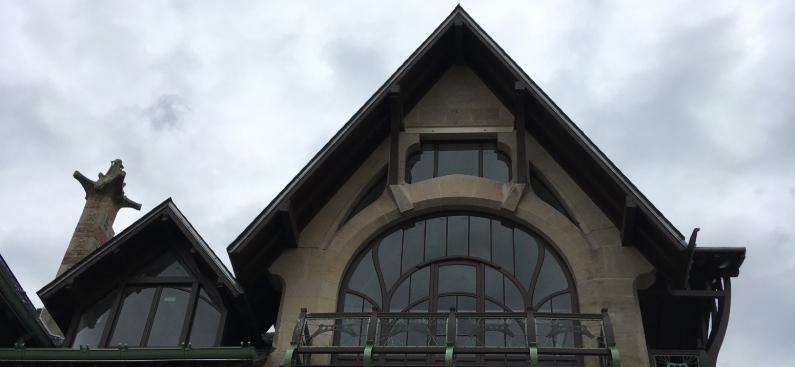
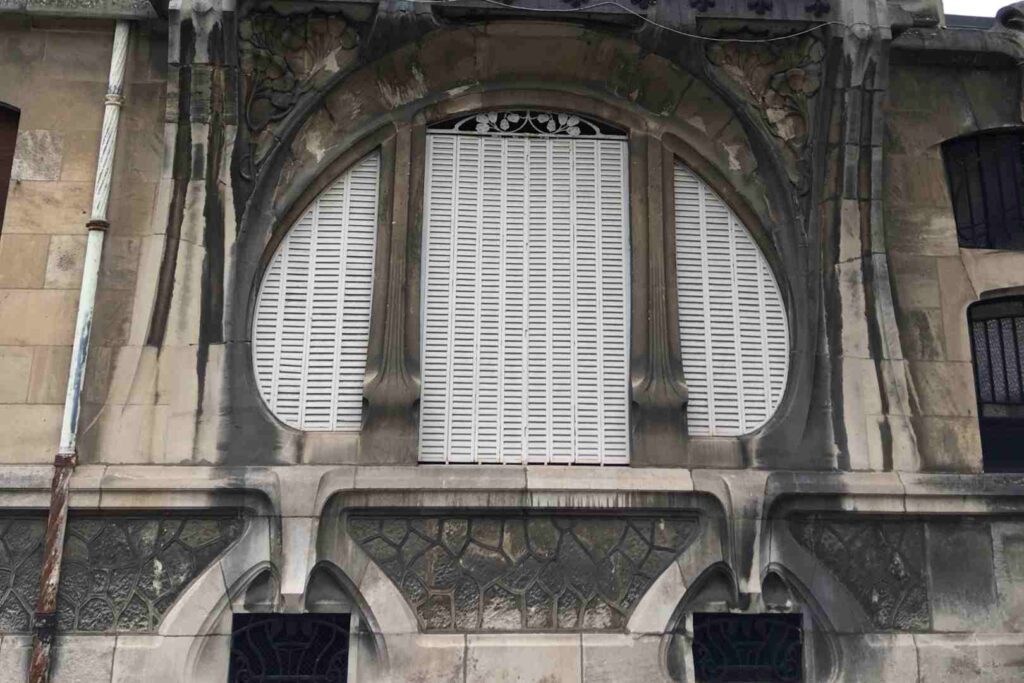
To experience this legacy today, a visit to the Villa Majorelle is essential. Built in 1901 by architect Henri Sauvage for the designer Louis Majorelle, the house is almost organic in its design. Its curved windows, floral-themed balconies, and even the plant-like drainpipes reflect the School of Nancy’s obsession with nature. Inside, the monumental wooden staircase and Gruber’s stained glass create a harmonious, living work of art.
Another mandatory stop is the Musée de l’École de Nancy. Located in a former private residence, it houses an incredible collection of furniture, ceramics, and metalwork. Rather than traditional galleries, the museum uses domestic settings—bedrooms, dining rooms, and parlors—to show how Art Nouveau was intended to be lived in, making art accessible to the everyday home.
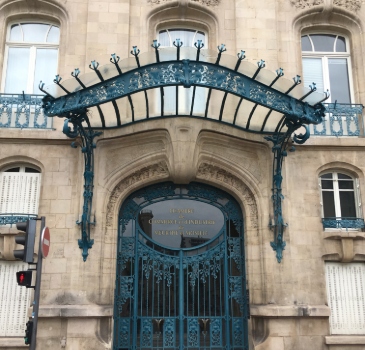
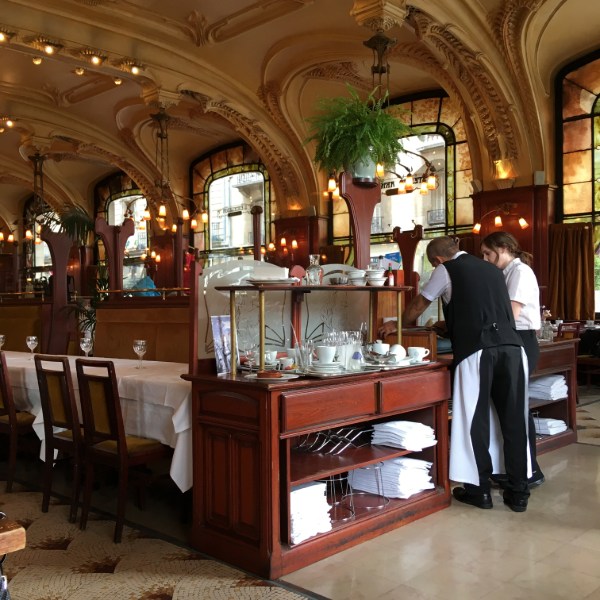
The city’s commercial architecture is equally impressive. The Chamber of Commerce features what might be the most beautiful door in Nancy, adorned with forged iron oak leaves by Majorelle. Nearby, the Brasserie Excelsior offers a glimpse into “Belle Époque” luxury. Its interior is a riot of fern-shaped carvings and electric lamps, which were a high-tech novelty at the time.
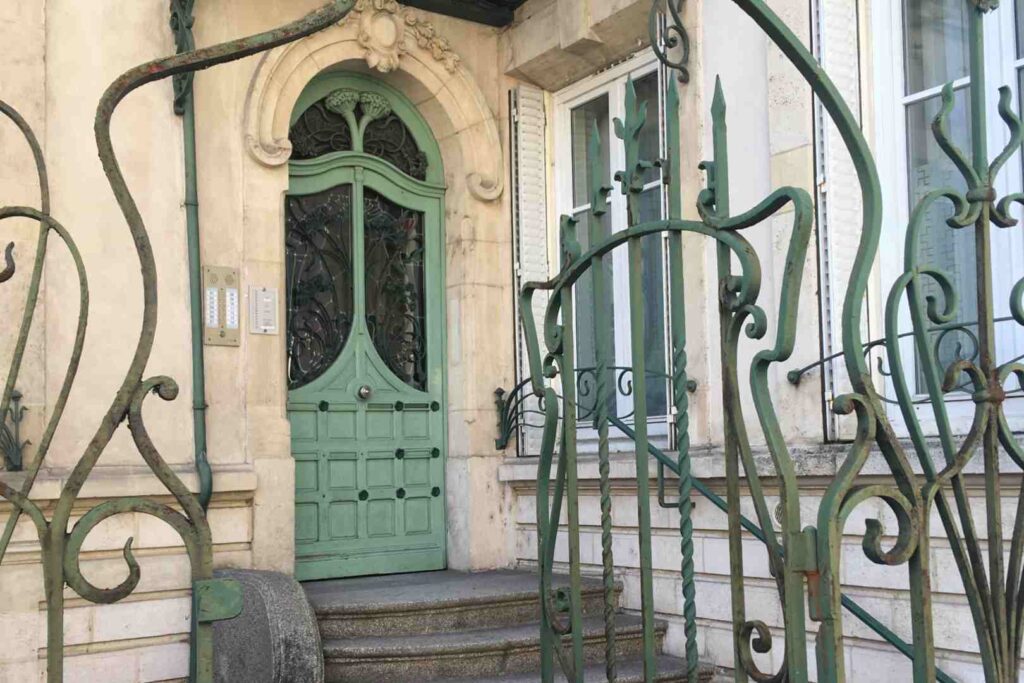
For those who love walking, Rue Félix Faure contains the city’s highest concentration of Art Nouveau residences. Architect César Pain built 17 houses here in a short span, creating a cohesive streetscape of wrought-iron gates and clematis-covered facades. It is a quieter, more intimate version of the famous Art Nouveau streets found in cities like Riga or Brussels.
The commercial heart of the city, along Rue Saint-Jean, hides further gems like the Génin Louis seed store, an original steel-structured building decorated with poppy motifs. Even the Credit Lyonnais bank hides a secret: a spectacular stained-glass ceiling by Jacques Gruber that covers the entire main hall.
Ultimately, Art Nouveau in Nancy is a style that appeals to the senses. Whether you are admiring the valuable Daum Collection at the Museum of Fine Arts or wandering the Parc de Saurupt to see private villas, the city serves as a living museum. It is a place where nature, industry, and art fused together to create one of the most refined urban landscapes in Central Europe.
Nancy, located in northeast France just 300 kilometers from Paris, is an elegant and sophisticated city that dazzles with its exuberant architectural heritage. For centuries the capital of the Duchy of Lorraine, its historic center is filled with palaces and sumptuous squares, yet its most unique allure lies in the École de Nancy. We have championed this destination for years; in fact, already in 2018 we were publishing info about this city as a premier destination for architecture lovers. This movement sought to create a “Total Art” inspired by the natural world, led by masters like Émile Gallé and Louis Majorelle who turned Nancy into a global focal point of Modernism.
The crown jewel of this movement is undoubtedly the Villa Majorelle, the former home of designer Louis Majorelle. We closely followed its journey, and we already informed you in 2020 about the highly anticipated reopening after its meticulous restoration. The villa is an organic masterpiece where nature is omnipresent, from the curved wooden window frames to the plant-like metalwork of the balconies. Inside, the monumental staircase and Jacques Gruber’s stained glass create a harmonious living work of art that represents the pinnacle of the School of Nancy’s philosophy.

Since we began our journey, we have conducted dozens of private tours in this amazing city, with a large majority of our visitors coming from the United States to discover this French treasure. Our standard Nancy Art and History Walk is designed as a deep-dive 5-hour experience; however, we pride ourselves on flexibility. We have frequently adjusted the duration to fit our guests’ needs—sometimes crafting shorter, high-impact walks and other times extending the exploration for true enthusiasts—but every tour is always fully customized to ensure a perfect encounter with Nancy’s refined urban landscape.
The rise of this style was fueled by a dramatic historical shift following the Franco-Prussian War in 1871. The annexation of Alsace-Lorraine by Germany led to an exodus of French intellectuals and artisans to Nancy, causing the population to surge from 40,000 to over 100,000. This influx of capital and talent fueled an unprecedented cultural golden age, creating the “sundry of artists” that would eventually define the city’s modern identity.
Beyond the famous villa, the Musée de l’École de Nancy is a mandatory stop. Located in a former private residence, it houses an incredible collection of furniture, ceramics, and metalwork. Rather than traditional galleries, the museum uses domestic settings to show how Art Nouveau was intended to be lived in, making high art accessible to the everyday home through functional beauty.
The city’s commercial architecture is equally impressive, featuring the Chamber of Commerce with its forged iron oak leaves and the Brasserie Excelsior. The Excelsior remains a riot of fern-shaped carvings and electric lamps, which were a high-tech novelty at the time. Whether wandering the high concentration of villas on Rue Félix Faure or discovering the hidden stained-glass ceilings of the Credit Lyonnais bank, a visit to Nancy reveals a city where art and daily life are beautifully inseparable.